Ensuring a safe workplace isn’t just a legal obligation—it’s a moral one, protecting employees, clients, and property.
Whether you manage a small office or a large corporate space, understanding fire safety protocols is essential to keeping everyone protected.
By the end, you’ll have a practical roadmap for ensuring your office meets the highest fire safety standards and safeguards your most valuable assets: your people.
The Importance of Workplace Fire Safety
Fires can happen anywhere, and offices are no exception.
Companies that prioritize fire prevention demonstrate responsibility, enhance employee trust, and maintain business continuity.
That’s why understanding the full scope of fire safety—training, equipment, documentation, and inspections—is essential for every organization.
Understanding Fire Warden (Brigade) Training Requirements
This training is essential for ensuring that offices can respond quickly and safely if a fire breaks out.
Training requirements vary depending on local regulations, building size, and occupancy type.
Well-trained fire wardens not only enhance safety but also help organizations pass compliance inspections, reducing legal and insurance risks.
How to Prepare for Fire Safety Certification and Renewals
In the US, many businesses must obtain fire safety certifications from local fire departments or regulatory bodies.
To prepare, start by conducting an internal audit.
Certification isn’t a one-time event—renewals are typically required every few years or after major renovations or occupancy changes.
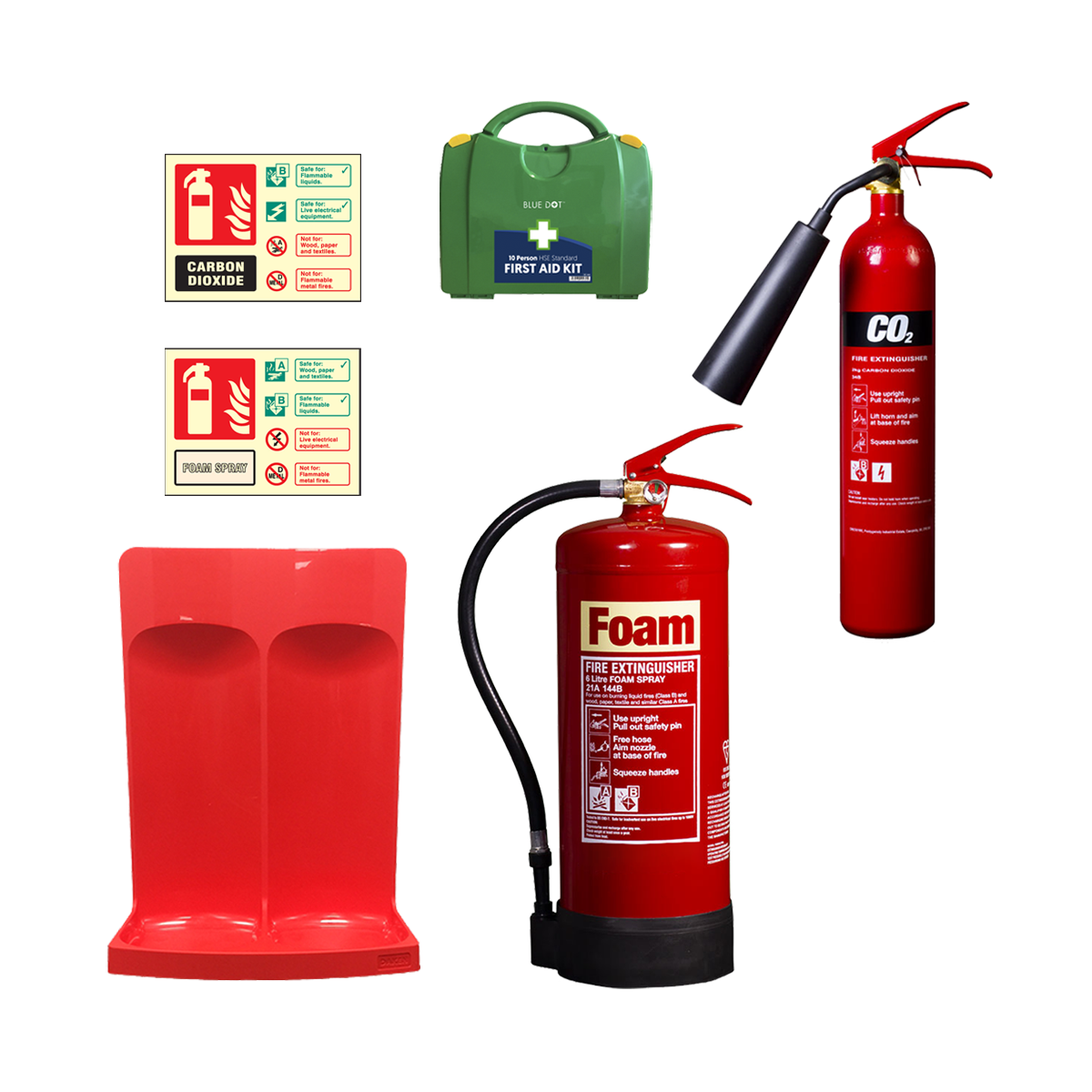
Best Practices to Maintain Fire Safety Year-Round
This includes routine equipment checks, clear communication, and fostering a culture where all employees understand their role in fire prevention.
Regular maintenance is critical: schedule monthly checks on fire alarms, smoke detectors, sprinkler systems, and extinguishers.
When fire safety becomes part of the daily routine, employees are more confident, better prepared, and less likely to panic during a real event.
Legal and Insurance Implications of Fire Safety Compliance
Beyond regulatory penalties, companies may face reputational damage, employee distrust, and operational disruptions.
Many commercial insurance policies require proof of current fire safety certifications, maintenance logs, and training records.
By prioritizing fire safety, businesses demonstrate responsibility and reduce the risks of costly legal and financial setbacks.

Conclusion: Building a Fire-Safe Workplace
Creating a fire-safe workplace is not just about ticking regulatory boxes—it’s about protecting lives, preserving property, and fostering a culture of responsibility.
They not only meet legal obligations but also build trust with employees, clients, and insurers.
As fire risks evolve and workplace environments change, staying proactive is essential.
Your Questions Answered: Fire Safety in US Businesses
Who needs fire warden training in a US office?
Larger offices may require multiple wardens to cover all floors or departments.
When do I need to update fire safety inspections?
Regular internal reviews help ensure continuous compliance and smooth renewal processes.
What are common causes of office fires?
Routine inspections and employee awareness help prevent these hazards.
How does fire safety affect insurance coverage?
Insurance companies often require proof of fire safety compliance, including certifications, equipment maintenance, and training records.
How do I write an effective workplace fire plan?
Drills and refresher training help keep the plan effective and actionable.
saiba mais aqui